End of Tenancy Cleaning: A Complete, Practical, and SEO-Friendly Article for Tenants and Landlords
Understanding End of Tenancy Cleaning

End of tenancy cleaning is one of the most important tasks when a renter moves out of a property. Whether you are a tenant aiming to secure your deposit or a landlord preparing for new occupants, a proper end of tenancy cleaning service can make a major difference.
Unlike regular weekly tidying, end of tenancy cleaning focuses on restoring a property to a high standard of cleanliness. This usually means deep-cleaning every room, removing built-up grime, dealing with hidden dust, and making sure the property looks fresh for inspections. For many people, end of tenancy cleaning is the final step before handing back the keys.
In many rental agreements, the expectation is that the property should be left in the same condition as when the tenant moved in, allowing for fair wear and tear. That is why a structured end of tenancy cleaning approach matters so much. It helps reduce disputes, supports a smoother move-out process, and gives the next occupant a cleaner start.
Why End of Tenancy Cleaning Matters

There are several reasons why end of tenancy cleaning is more than just another household chore. First, it helps tenants protect their deposit. Deposit deductions often happen when the property is not cleaned to the required standard. Even small oversights such as dusty skirting boards, greasy ovens, or stained carpets can lead to costly complaints.
Second, professional-level end of tenancy cleaning saves time and stress. Moving is already demanding, with packing, paperwork, and transport all competing for attention. A focused cleaning plan makes the process more manageable and can help you stay in control during a busy transition.
Third, landlords and letting agents value a property that is spotless and well-maintained. A cleaner property photographs better, shows better, and creates a more positive impression for viewings. In short, end of tenancy cleaning supports everyone involved in the rental cycle.
How Cleanliness Affects Deposit Returns
Deposit disputes are common in the rental market, and cleaning is one of the top reasons for disagreements. If the inventory report notes that certain areas were clean at the beginning of the tenancy, the same standard is usually expected at the end. This makes end of tenancy cleaning especially important.
To reduce the risk of deductions, tenants should keep a record of the property’s condition throughout the tenancy. However, even if the home has been kept in decent shape, a final deep clean is often needed. A thorough end of tenancy cleaning routine ensures that surfaces, appliances, and fixtures are ready for inspection.
What End of Tenancy Cleaning Usually Includes

A proper end of tenancy cleaning service is usually more detailed than standard domestic cleaning. It often covers all rooms, furniture, appliances, and hard-to-reach areas. While the exact checklist may vary, most providers and tenants focus on the same core tasks.
Typical areas include kitchens, bathrooms, bedrooms, living rooms, hallways, and storage spaces. Attention is also given to windows, doors, light switches, sockets, skirting boards, and any visible marks on walls. The goal of end of tenancy cleaning is not only to make the property look good but also to meet practical inspection standards.
In many cases, the service may also include extra tasks such as oven cleaning, fridge cleaning, vacuuming carpets, mopping floors, and removing limescale. Some properties require specialist care, especially if there are pets, heavy cooking residue, or long-neglected surfaces. A good end of tenancy cleaning plan is flexible enough to handle those situations.
Room-by-Room Cleaning Priorities
- Kitchen: Clean cupboards inside and out, degrease tiles, sanitise countertops, and deep clean appliances.
- Bathroom: Remove limescale, scrub sinks and toilets, polish taps, and clean mirrors and glass.
- Bedrooms: Dust wardrobes, clean skirting boards, vacuum thoroughly, and wipe all surfaces.
- Living areas: Remove dust, clean upholstery if required, and wipe light fittings and switches.
- Hallways and stairs: Vacuum corners, clean handrails, and remove scuff marks where possible.
Preparing for End of Tenancy Cleaning
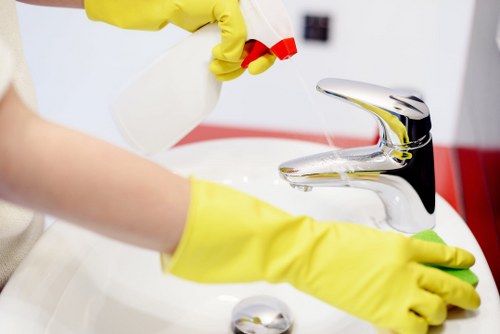
Preparation is a key part of successful end of tenancy cleaning. Before the actual cleaning begins, it helps to declutter the property and remove all personal belongings. A cleared room allows cleaners to reach more areas and makes the cleaning process far more effective.
You should also check your tenancy agreement and inventory report. These documents may specify the expected standard and any items that require special treatment. If you hire a professional end of tenancy cleaning team, sharing these details in advance can help them tailor the service to your property’s needs.
Another smart step is to identify any damage or maintenance issues separately from cleaning concerns. For example, a broken blind, chipped tile, or faulty appliance should be reported as a repair issue rather than treated as a cleaning problem. This distinction is useful during inspection and helps keep the end of tenancy cleaning process fair and accurate.
Useful Pre-Cleaning Checklist
- Remove all rubbish and recycling.
- Pack and move personal items out of the property.
- Defrost the freezer if necessary.
- Unplug appliances that need cleaning.
- Open windows for ventilation.
- Gather cleaning products and equipment.
- Take photos of the property condition before cleaning.
These simple steps can make end of tenancy cleaning much faster and more efficient.
Professional vs DIY End of Tenancy Cleaning

Many tenants wonder whether they should handle end of tenancy cleaning themselves or hire professionals. The answer depends on time, budget, property size, and cleaning expectations. Both options can work, but they offer different advantages.
DIY end of tenancy cleaning can save money and gives you complete control over the process. It may be suitable for smaller properties or tenants who have kept the home in excellent condition. However, it can also be physically demanding and time-consuming, especially if the property has multiple bathrooms, carpets, or built-in appliances.
Professional end of tenancy cleaning is often the preferred choice when a deep, thorough finish is needed. Experienced cleaners know what landlords and letting agents typically inspect, and they bring equipment and products designed for heavy-duty tasks. This can improve the chances of meeting the required standard the first time.
Benefits of Hiring Professionals
- Thoroughness: Professionals often clean areas that tenants miss.
- Efficiency: The job is completed faster and with less stress.
- Better results: Specialist equipment can remove stubborn dirt more effectively.
- Convenience: You can focus on moving while the cleaning is handled.
- Inspection readiness: The property is prepared to a rental standard.
For many households, a mix of DIY and professional help is ideal. For example, you might pack and declutter yourself, then book a end of tenancy cleaning team for the final deep clean.
Kitchen Cleaning in Detail
The kitchen is usually the most demanding part of end of tenancy cleaning. Grease, food residue, and limescale can build up quickly, making this room a priority during move-out cleaning.
A detailed kitchen clean usually includes washing the sink, scrubbing the hob, cleaning splashbacks, wiping cupboards, degreasing extractor fans, and deep-cleaning appliances. Ovens often require extra attention because baked-on grease can be difficult to remove without the right products and techniques. If the kitchen has a fridge or freezer, these should be emptied, defrosted, and cleaned inside and out.
Don’t forget small but important touches like wiping handles, cleaning switches, and removing crumbs from drawers. These tiny details can affect the overall impression during inspection. A careful end of tenancy cleaning approach in the kitchen shows that the home has been properly looked after.
Bathroom Cleaning and Hygiene Standards
Bathrooms need special care because they often show signs of wear more quickly than other rooms. In end of tenancy cleaning, bathrooms should be sanitised, descaled, and polished so that they feel fresh and hygienic.
Key tasks include cleaning the toilet, scrubbing the basin, wiping down the shower screen, and removing soap scum from tiles and fixtures. Limescale on taps, showerheads, and glass can be particularly noticeable, so effective bathroom cleaning is essential. Mirrors should be polished, extractor fans dusted, and floors mopped thoroughly.
Where possible, use non-abrasive products that protect surfaces while still removing grime. Proper ventilation during and after cleaning also helps keep the room smelling clean. In many inspections, bathrooms are judged quickly, so a strong finish is a major part of successful end of tenancy cleaning.
Bedrooms, Living Rooms, and Hallways
Although these rooms may not collect grease or moisture like kitchens and bathrooms, they still require careful attention during end of tenancy cleaning. Dust gathers on shelves, skirting boards, blinds, and behind furniture, while carpets and floors can show signs of heavy use.
In bedrooms, wipe wardrobes inside and out, clean windowsills, and vacuum corners and under beds if accessible. In living rooms, polish surfaces, remove cobwebs, and clean light switches and sockets. Hallways, stairs, and entrances should be vacuumed, mopped, and checked for scuff marks or footprints.
It is often these smaller spaces that reveal whether a property has been cleaned properly. A professional-looking end of tenancy cleaning result should feel consistent from one room to the next, with no obvious missed areas.
Carpet and Floor Care
- Vacuum: Remove dust, dirt, and hair from all carpeted areas.
- Spot clean: Treat visible stains with appropriate products.
- Mop hard floors: Use the right cleaner for wood, laminate, or tile.
- Check edges: Dirt often collects along skirting boards and corners.
- Use protection: Avoid excess water on sensitive flooring materials.
How to Avoid Common Cleaning Mistakes
Even a diligent tenant can make mistakes during end of tenancy cleaning. The most common errors involve rushing, skipping hidden areas, or using the wrong cleaning products. These mistakes can lead to visible residue, damaged surfaces, or poor inspection results.
One frequent issue is cleaning only the obvious spots. Landlords and agents often look behind appliances, inside cupboards, and along edges where dirt accumulates. Another common problem is forgetting items like extractor fans, light fittings, and door frames. These details matter more than many people expect.
To avoid disappointment, it helps to work room by room and follow a checklist. That way, your end of tenancy cleaning process stays organised and less likely to miss important tasks. Slow, steady cleaning often produces better results than fast, scattered effort.
Top Mistakes to Avoid
- Leaving cleaning until the last minute.
- Using harsh chemicals on delicate surfaces.
- Forgetting appliances and cupboards.
- Neglecting ventilation and drying time.
- Overlooking inspection-level details such as switches and handles.
Why End of Tenancy Cleaning Is Good for Landlords Too
While tenants often focus on deposit protection, landlords also benefit from high-quality end of tenancy cleaning. A clean property is easier to re-market and creates a more positive first impression for prospective tenants.
Clean homes tend to rent faster because they look cared for and ready to move into. This can reduce vacancy periods and improve tenant satisfaction from the start. In addition, a well-cleaned property helps highlight any maintenance issues that may need attention before new occupants arrive.
For landlords managing multiple properties, consistent end of tenancy cleaning standards can also protect the long-term condition of the building. Regular deep cleaning between tenancies can prevent grime build-up and reduce the risk of stubborn stains becoming permanent.
Choosing the Right End of Tenancy Cleaning Service
If you decide to book a professional service, choosing the right provider is essential. Not all cleaning companies offer the same level of detail, and end of tenancy cleaning requires a more thorough approach than regular house cleaning.
Look for a service that is familiar with rental expectations, provides a clear checklist, and can clean the full property, including appliances and bathrooms. It is also helpful if the company offers flexible scheduling, especially if your move-out date is fixed.
Before booking, ask whether the service includes deep-clean tasks such as oven cleaning, carpet treatment, or internal window cleaning. A reliable end of tenancy cleaning provider should explain what is included and what may cost extra. This helps avoid surprises and keeps the process transparent.
What to Look For in a Service Provider
- Clear service checklist.
- Experience with rental properties.
- Flexible appointment options.
- Strong attention to detail.
- Ability to handle urgent bookings.
- Products suitable for different surfaces.
When you find the right provider, you can book your end of tenancy cleaning with confidence and focus on the move itself.
Final Thoughts on End of Tenancy Cleaning
End of tenancy cleaning is about more than making a property look tidy. It is a practical step that supports smooth move-outs, better inspections, and fewer disagreements over deposits. Whether you are a tenant, landlord, or letting agent, a high standard of cleanliness helps everyone involved.
From kitchens and bathrooms to carpets and windows, every room matters. By planning ahead, using a checklist, and deciding whether to clean yourself or hire professionals, you can achieve better results with less stress. The more detailed your end of tenancy cleaning approach, the easier it becomes to leave the property in excellent condition.
If you are preparing to move, now is the time to act. Book your service now or contact us today to make sure your property is ready for inspection and handover. A careful end of tenancy cleaning routine can save time, protect your deposit, and make the moving process far smoother.
Quick Recap
- End of tenancy cleaning helps protect deposits and improve property presentation.
- It covers kitchens, bathrooms, bedrooms, living rooms, and shared spaces.
- Professional help can save time and improve inspection results.
- Planning, preparation, and detail are the keys to success.
Last Tip
Don’t leave it to chance. A well-organised end of tenancy cleaning plan can make all the difference between a stressful move and a smooth handover.