Rug Cleaning in Modern Homes: Practical Methods, Smart Maintenance, and Long-Lasting Results
Rug cleaning is one of the most important parts of keeping a home fresh, healthy, and visually appealing. Rugs do far more than decorate a room. They trap dust, absorb foot traffic, soften noise, add warmth, and help define living spaces. But because they sit on the floor and collect everyday debris, rug cleaning must be handled with care and consistency. Whether you own a delicate area rug, a thick wool rug, a synthetic runner, or a statement piece with deep colors and patterns, proper rug cleaning protects both appearance and lifespan.
Many people search for rug cleaning only when stains appear, but the truth is that regular care makes a much bigger difference than emergency cleaning alone. A thoughtful rug cleaning routine can help reduce allergens, remove odors, preserve fibers, and prevent dirt from grinding deeper into the pile. That is why understanding how rug cleaning works, when to use professional services, and how to care for rugs between deep cleans is so valuable.
In this article, we will look at the essentials of rug cleaning, from daily upkeep to deep treatment methods. You will also learn how different rug materials respond to moisture, heat, agitation, and cleaning products. If you want your rugs to look better for longer, this information will help you make smarter choices.
Why Rug Cleaning Matters for Every Home

Rug cleaning is not just about removing visible dirt. Rugs naturally capture particles that drift through the air and settle into the fibers. This includes dust, pet hair, food crumbs, pollen, and microscopic debris that can build up over time. Even rugs that look clean on the surface may contain hidden dirt that affects indoor air quality and makes the fibers feel dull or rough.
When rug cleaning is ignored, the accumulated soil can act like sandpaper. Each step presses grit deeper into the fibers, causing gradual wear and shortening the life of the rug. In high-traffic areas, this damage happens faster than many homeowners realize. Regular rug cleaning helps preserve softness, color, and texture, making it a practical investment in your interior space.
There is also a health aspect to rug cleaning. Dust and allergens can become trapped inside rugs, especially in homes with pets, children, or high humidity. Routine rug cleaning can reduce buildup and create a more comfortable environment for people who are sensitive to allergens or odors. Cleaner rugs often mean a cleaner-feeling home overall.
Understanding Different Rug Types Before Cleaning
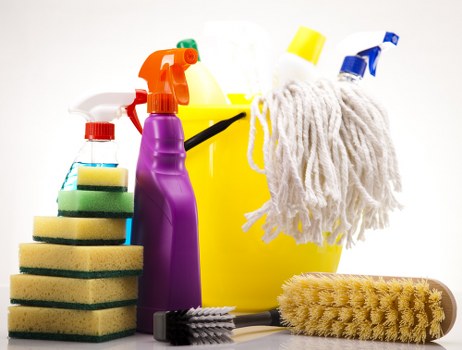
One of the most important parts of rug cleaning is knowing what kind of rug you have. Not all rugs can be treated the same way. Wool, silk, cotton, jute, synthetic blends, and hand-knotted rugs all respond differently to moisture and cleaning solutions. A method that works well for one rug may damage another.
Wool rugs are durable but require gentle handling because excessive heat or harsh chemicals can distort fibers. Silk rugs need special attention and are often best handled by professionals because they are delicate and easily damaged by strong cleaning agents. Cotton rugs are often easier to maintain, but they can shrink or fade if cleaned improperly. Synthetic rugs are usually more forgiving, yet they still benefit from careful rug cleaning to maintain their appearance.
Construction also matters. Flatweave rugs, shag rugs, braided rugs, antique rugs, and machine-made rugs each have different cleaning needs. If you know the material and construction, you can choose a rug cleaning method that protects the rug instead of stressing it. This is especially useful when deciding whether to vacuum, spot clean, wash, or schedule a professional rug cleaning service.
Everyday Rug Cleaning Habits That Make a Big Difference
Good rug cleaning starts with small habits. Daily or weekly care can reduce the amount of deep cleaning required and keep rugs looking fresh longer. Vacuuming is the most effective basic maintenance task, but it should be done with the right attachments and suction level. Strong suction is helpful for durable rugs, while delicate rugs may need a gentler setting or a vacuum without a rotating brush.
Shaking out smaller rugs outdoors can remove loose dust and grit before it settles deeper into the pile. Rotating your rugs every few months is another smart rug cleaning practice because it balances wear from foot traffic and sunlight exposure. Areas near doors, sofas, and dining tables usually collect dirt faster than other spots, so rotation helps keep color and texture more even.
Another important habit is responding quickly to spills. Fresh stains are much easier to remove than dried ones. Blotting a spill immediately with a clean cloth can prevent the liquid from sinking deeper into the backing and fibers. A quick response is one of the simplest forms of effective rug cleaning, and it can save a rug from lasting damage.
Helpful routine care steps
- Vacuum both sides when possible for deeper rug cleaning
- Shake out smaller rugs outdoors
- Rotate rugs to prevent uneven fading and wear
- Blot spills instead of rubbing them
- Use rug pads to reduce friction and movement
Spot Cleaning: Handling Stains Before They Set In
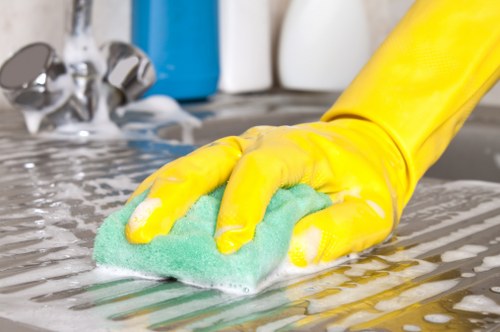
Spot cleaning is a crucial part of rug cleaning because stains can become permanent if left untreated. The best approach depends on the type of spill, the rug material, and how quickly you act. Water-based spills such as juice, coffee, or tea usually need blotting with a clean towel and a mild cleaning solution. Oily stains may require a dry absorbent powder first, followed by careful treatment.
When spot cleaning, it is important not to scrub aggressively. Scrubbing can push the stain deeper and damage the pile. Instead, work from the outside of the stain inward to avoid spreading it. Test any cleaning product on a hidden area first, especially if the rug has bold dyes or natural fibers. This simple step is one of the safest ways to approach rug cleaning at home.
For pet accidents, rug cleaning must address both the stain and the odor. Enzymatic solutions are often helpful because they break down organic matter more effectively than standard cleaners. However, even with the right product, over-wetting should be avoided. Too much moisture can lead to mold, mildew, or backing damage. A balanced approach gives the best result and supports long-term rug care.
Quick stain-response checklist
- Blot the spill immediately
- Identify whether the stain is water-based, oily, or organic
- Test the cleaning product in a hidden area
- Apply gently without scrubbing
- Dry the area thoroughly after treatment
Deep Rug Cleaning Methods That Deliver Better Results
While routine care and spot treatment are important, deep rug cleaning is what truly restores a rug over time. Deep cleaning removes embedded soil, trapped odors, and buildup that regular vacuuming cannot reach. There are several methods, and choosing the right one depends on the rug’s construction, material, and condition.
Steam cleaning is often used for synthetic rugs, but it should be approached cautiously because not all rugs tolerate high moisture and heat. Hot water extraction can be effective for certain rugs, yet excessive water can weaken adhesives or distort delicate fibers. Dry rug cleaning methods are sometimes preferred for sensitive materials because they use minimal moisture while still lifting dirt and residue. The best rug cleaning method is the one matched to the rug, not the trend.
Professional rug cleaning services often use specialized equipment to remove soil more thoroughly than household tools can. They may dust, wash, rinse, dry, and inspect rugs in stages. This process is especially helpful for large rugs, expensive pieces, or rugs with years of buildup. If a rug has stains, smells, discoloration, or uneven wear, deep rug cleaning may be the best next step.
Common deep-cleaning approaches
- Vacuum and dust extraction for dry soil removal
- Hand washing for delicate or natural fiber rugs
- Hot water extraction for some synthetic rugs
- Low-moisture cleaning for moisture-sensitive materials
- Professional immersion washing for certain specialty rugs
Why Drying Is Just as Important as Cleaning
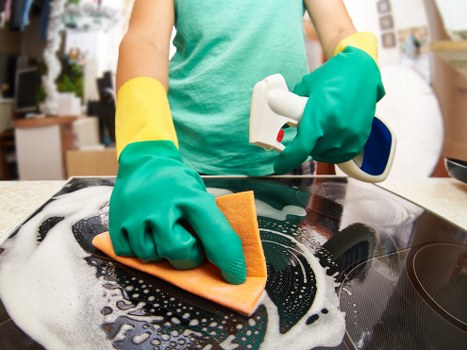
Many rug cleaning problems happen after the wash rather than during it. Drying is essential because leftover moisture can lead to odor, fiber distortion, and even mildew. A rug that is not dried correctly may feel stiff, develop a musty smell, or lose its shape. This is why thorough drying is one of the most important stages in rug cleaning.
Airflow is key. Rugs should be dried in a well-ventilated area, ideally with plenty of circulation around both sides. Hanging a rug incorrectly can stretch the fibers, while leaving it flat in a damp area can trap moisture. For thicker rugs, drying may take longer than expected, especially in humid climates. Patience matters here, because rushing the process can undo the benefits of the cleaning itself.
Professional rug cleaning services often use controlled drying rooms or special equipment to speed up evaporation safely. At home, using fans and dehumidifiers can help. The goal is simple: remove all moisture without damaging the fibers. Proper drying protects the rug’s texture, structure, and freshness.
How Rug Cleaning Helps Extend Rug Lifespan
One of the biggest advantages of consistent rug cleaning is longevity. Rugs are an investment, whether they are decorative pieces or everyday household essentials. Dirt, grit, and stains slowly break down fibers, but routine rug cleaning slows that process and helps the rug retain its original character longer.
Clean rugs also maintain their color better. Soil buildup can make colors appear muted or dusty, and sunlight can intensify fading if a rug is not rotated. By combining rug cleaning with good placement and proper rotation, you help the fibers stay stronger and the design stay clearer. For valuable rugs, that preservation matters even more.
Another overlooked benefit is structural support. When a rug accumulates dirt in the pile and backing, it can become heavier and more stressed over time. Regular rug cleaning removes that hidden burden. As a result, the rug may lie flatter, feel softer, and keep its shape better. That is why rug cleaning is not only cosmetic; it is also protective.
Common Mistakes to Avoid During Rug Cleaning
Even with the best intentions, some cleaning mistakes can cause more harm than good. One common mistake is using too much water. Over-wetting can seep into the backing and pad, creating long-drying times and possible mildew. Another issue is using harsh chemicals that may bleach color or weaken natural fibers. Rug cleaning should always be matched to the rug’s needs.
Scrubbing is another frequent mistake. It may seem like a good way to remove a stain, but it often pushes the stain deeper and disturbs the fiber surface. Likewise, using a vacuum with aggressive rotating brushes on delicate rugs can pull fibers and cause fraying. Smart rug cleaning means using the right tools with the right technique.
Ignoring care labels or fiber composition can also lead to damage. If a rug is labeled for dry cleaning only, washing it at home may ruin it. When in doubt, it is better to pause and choose a safer method. A careful approach to rug cleaning is always better than a rushed one.
Mistakes worth avoiding
- Using too much water
- Scrubbing stains aggressively
- Applying untested chemical cleaners
- Skipping drying time
- Vacuuming delicate rugs too harshly
When Professional Rug Cleaning Is the Better Choice
There are times when professional rug cleaning is simply the smartest option. If a rug is expensive, antique, handmade, silk, or heavily soiled, trained cleaners may be able to preserve it more safely than a home method. Professional rug cleaning is also a strong choice when stains have set deeply, odors persist, or previous cleaning attempts have failed.
Professionals can inspect the rug for fiber type, dye stability, damage, and wear patterns before starting treatment. That means the rug cleaning plan is tailored rather than generic. This is especially useful for families who need help with pet odors, smoke residue, food spills, or moisture issues. In many cases, professional services can restore rugs in a way that is difficult to achieve at home.
If you are unsure whether to clean the rug yourself, ask one simple question: Would this rug be costly or difficult to replace? If the answer is yes, professional rug cleaning is often worth considering. For many homeowners, the added care provides peace of mind along with a cleaner result.
Building a Seasonal Rug Cleaning Routine
A seasonal routine can make rug cleaning more effective and less stressful. Instead of waiting until a rug looks visibly dirty, break care into smaller tasks throughout the year. This keeps maintenance manageable and prevents heavy buildup. For example, a spring refresh can focus on dust and pollen, while a fall routine can prepare rugs for more indoor traffic.
Seasonal rug cleaning also helps you respond to changes in weather. Wet seasons may bring more mud, while dry seasons may increase dust. Homes with pets or children may need extra attention during certain months. By adjusting rug cleaning to the season, you keep the rugs looking fresher and reduce the chance of long-term wear.
Here is a simple yearly framework for rug care:
- Monthly: vacuum and spot clean as needed
- Every 3 months: rotate rugs and inspect for wear
- Every 6 to 12 months: schedule deep rug cleaning
- As needed: treat stains and odors quickly
How to Keep Rugs Looking Fresh Between Cleanings
Between deep cleanings, small habits help preserve the results. Use entry mats to reduce tracked-in dirt. Encourage family members and guests to remove shoes indoors if that fits your household routine. These simple habits reduce the amount of grit that reaches the rug and lower the frequency of heavy rug cleaning sessions.
It also helps to manage lighting and furniture placement. Direct sunlight can fade some dyes over time, so curtains or periodic rotation can help. Furniture pads can prevent dents and reduce friction, especially on thicker rugs. If pets use the rug frequently, brushing them regularly can reduce shedding and make rug cleaning easier overall.
Ultimately, rug cleaning works best when it is part of a larger maintenance plan. Vacuuming, stain response, rotation, airflow, and occasional professional care all work together. When rugs are maintained consistently, they stay softer, cleaner, and more attractive for much longer.
Choosing the Right Rug Cleaning Approach for Your Needs
There is no single best rug cleaning method for every situation. The ideal approach depends on the rug’s material, age, value, and level of use. A washable synthetic rug in a busy hallway may need a different treatment than a hand-knotted wool rug in a formal living room. That is why good rug cleaning starts with evaluation, not assumptions.
If your rug is lightly soiled, routine vacuuming and spot care may be enough for now. If the rug has heavy odor, deep stains, or visible dullness, a stronger rug cleaning method may be needed. If the rug is fragile or valuable, the safest route may be professional support. The key is to match the cleaning method to the rug’s condition and purpose.
For homeowners who want a cleaner, healthier, and more polished living space, rug cleaning should be treated as an ongoing priority. It improves comfort, protects your flooring investment, and helps each room feel more inviting. Book your service now if your rug needs professional attention, or take the first step by refreshing your regular maintenance routine today. Contact us today if you are ready to prioritize cleaner rugs and better long-term care.