Regular Cleaning: Why Consistent Cleaning Habits Matter for Every Space
Regular cleaning is one of the simplest ways to protect the value, comfort, and health of any environment, whether it is a home, office, retail store, or rental property. When cleaning tasks are done on a consistent schedule, dust does not have time to build up, clutter stays under control, and surfaces remain safer and more pleasant to use. Regular cleaning is not just about appearance; it also supports better hygiene, reduces odors, and helps create a more productive atmosphere.
Many people think of cleaning as something to do only when a space looks messy, but that approach often leads to larger problems later. A small spill can turn into a stain, neglected corners can collect dust and allergens, and high-touch surfaces can become a breeding ground for germs. With regular cleaning, these issues are easier to manage before they become expensive or time-consuming.
Another major benefit of routine cleaning is the sense of order it brings to daily life. Clean surroundings can improve focus, reduce stress, and make it easier to find what you need. That is why regular cleaning has become a priority not only in households, but also in businesses that want to present a polished image and maintain a healthier environment for employees and customers.
Understanding the Value of Regular Cleaning
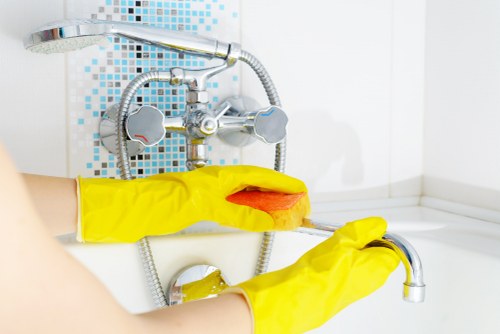
Regular cleaning refers to a recurring schedule of tasks that keeps a property neat, sanitary, and functional. Unlike deep cleaning, which targets hidden grime or buildup, routine cleaning focuses on maintaining everyday cleanliness. It includes dusting, sweeping, vacuuming, sanitizing, wiping surfaces, and removing waste before it becomes a bigger issue.
When regular cleaning is performed properly, it becomes easier to preserve flooring, furniture, appliances, and fixtures. Dirt and debris can slowly wear down materials, scratch finishes, and reduce the lifespan of surfaces. By keeping up with regular cleaning, property owners can protect their investment while maintaining a welcoming environment.
In commercial settings, regular cleaning also reflects professionalism. Customers often judge a business by its appearance within seconds. A clean lobby, spotless restroom, and organized workspace can influence trust, comfort, and overall satisfaction. For this reason, many companies treat regular cleaning as part of their brand image and operational strategy.
Health Benefits of Regular Cleaning
One of the strongest reasons to prioritize regular cleaning is health. Dust, pollen, mold spores, pet dander, and bacteria can accumulate quickly in indoor spaces. If left unchecked, these contaminants may worsen allergies, trigger respiratory discomfort, or contribute to poor indoor air quality. Consistent cleaning helps reduce these risks significantly.
Regular cleaning also plays an important role in reducing the spread of germs. Frequently touched surfaces such as door handles, countertops, desks, and switches can transfer bacteria and viruses from one person to another. Sanitizing these areas as part of a routine cleaning plan helps lower the chance of illness spreading in homes and workplaces.
For households with children, seniors, or people with sensitivities, regular cleaning becomes even more essential. A cleaner environment can support better sleep, fewer irritants, and a more comfortable daily routine. In workplaces, healthier surroundings may also contribute to fewer sick days and improved morale.
Regular Cleaning in Homes: Building a Healthier Living Space
In a home, regular cleaning is the foundation of comfort and livability. It keeps kitchens sanitary, bathrooms fresh, living rooms inviting, and bedrooms more restful. By spreading tasks across the week instead of saving everything for one major cleaning day, homeowners can stay ahead of messes with less stress.
Home cleaning routines often work best when they are simple and realistic. For example, wiping kitchen counters after cooking, sweeping entryways daily, and laundering linens on a schedule can make a major difference over time. These small actions prevent buildup and support a cleaner home without overwhelming the people who live there.
Regular cleaning also improves how a home feels. Fresh floors, organized rooms, and dust-free surfaces create a calmer atmosphere. People often notice that when their home is clean, they feel more relaxed, more motivated, and better able to enjoy their space. This makes regular cleaning both a practical and emotional investment.
Kitchen Cleaning Routines That Make a Difference
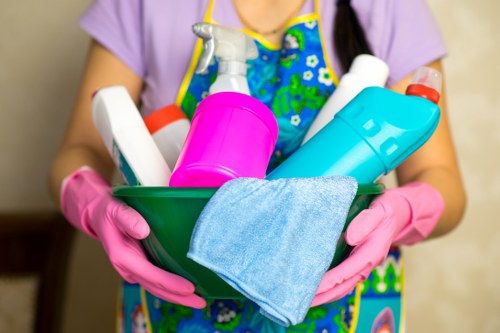
The kitchen is one of the most important areas to include in a regular cleaning schedule because it is used for food preparation, storage, and family gatherings. Cleaning spills promptly, wiping appliance handles, sanitizing counters, and emptying trash frequently can help keep the kitchen safe and odor-free.
Regular cleaning in the kitchen also helps prevent pests. Crumbs, moisture, and food residue attract insects and rodents, especially if they are left overnight. A clean kitchen reduces these attractions and supports better food hygiene overall.
Some useful kitchen tasks to include are:
- Wiping countertops after every meal preparation
- Cleaning sinks and faucet handles daily
- Sweeping or vacuuming the floor regularly
- Disinfecting refrigerator handles and appliance surfaces
- Checking for expired items in cabinets and pantry spaces
These habits may seem small, but together they create a major improvement in cleanliness and convenience.
Bathroom Cleaning for Hygiene and Freshness
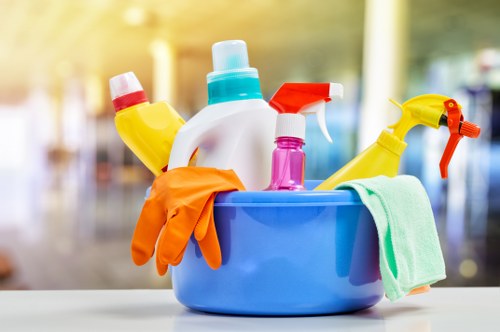
Bathrooms require regular cleaning because they are high-moisture areas where germs, soap scum, mildew, and odor can develop quickly. Sinks, toilets, showers, and floors should be cleaned on a consistent schedule to maintain a hygienic and pleasant environment.
Regular cleaning in bathrooms should focus on both visible surfaces and hidden trouble spots. For example, grout lines, drain areas, and the base of fixtures can collect buildup if ignored. Addressing these areas routinely helps maintain a fresher space and avoids the need for heavy scrubbing later.
To keep bathrooms in good condition, homeowners and property managers can use a routine like this:
- Disinfect toilets and surrounding surfaces
- Wipe mirrors, sinks, and vanities
- Scrub tubs, showers, and tile walls
- Replace towels and empty trash bins
- Clean floors to remove residue and hair
When bathroom cleaning becomes part of a regular schedule, the space stays more inviting and easier to maintain.
Regular Cleaning in Offices and Workplaces
Workplaces benefit greatly from regular cleaning because employees spend long hours there, often sharing desks, conference rooms, kitchens, and restrooms. A clean office creates a more professional environment and can influence how both staff and visitors perceive the company.
Regular cleaning in office settings includes dusting workstations, sanitizing shared equipment, vacuuming floors, and emptying trash. It also involves keeping break rooms and meeting spaces tidy so employees can focus on their tasks without distraction. A neat workspace often supports better concentration and a stronger sense of professionalism.
In addition, regular cleaning can contribute to employee well-being. Cleaner air, reduced clutter, and hygienic surfaces may help staff feel more comfortable throughout the day. Businesses that invest in routine cleaning often see the benefits in productivity, organization, and customer confidence.
High-Touch Areas That Need Frequent Attention
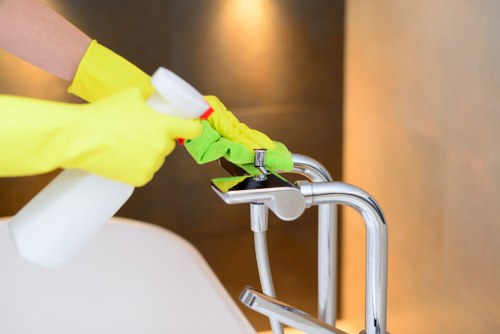
Some workplace surfaces require more attention than others because they are touched repeatedly throughout the day. These include elevator buttons, door handles, light switches, keyboards, shared phones, and reception counters. Regular cleaning of these areas helps reduce contamination and keeps the building more sanitary.
It is smart to identify the highest-traffic and highest-touch spots in any property and give them priority in the cleaning schedule. By focusing on these key surfaces, cleaning teams can maximize the impact of their efforts and create a noticeably cleaner environment.
Examples of high-touch cleaning targets include:
- Entrance handles and push plates
- Restroom faucets and flush controls
- Office desks and shared tables
- Printer buttons and copy machine panels
- Break room appliances and cabinet pulls
When these areas are cleaned regularly, the whole property feels more controlled and cared for.
Regular Cleaning and Property Maintenance
Regular cleaning is closely linked to property maintenance because cleanliness helps preserve the condition of materials and systems. Dust can affect vents, dirt can damage floors, and spills can stain carpets if they are left untreated. Routine care allows small issues to be addressed before they create larger maintenance problems.
For example, regularly cleaning HVAC vents and surrounding surfaces can support better airflow. Sweeping entryways can prevent grit from being tracked across flooring. Removing water spots from fixtures can help maintain their appearance. These actions may seem minor, but they reduce wear over time and help properties stay in better shape.
Landlords, homeowners, and facility managers often benefit from combining regular cleaning with scheduled inspections. This approach makes it easier to spot leaks, damage, or maintenance concerns early. In this way, regular cleaning becomes part of a broader strategy for preserving value and preventing avoidable repairs.
How Regular Cleaning Saves Time and Money
Although regular cleaning takes effort, it often saves time and money in the long run. A little daily or weekly upkeep prevents buildup that would otherwise require deep scrubbing, specialty treatments, or professional restoration. Stopping problems early is almost always more efficient than fixing them later.
Think about a carpet stain, a grease-covered stove, or mildew in a bathroom. If addressed immediately, these issues can usually be handled quickly. If neglected for weeks, they may require much more labor and expense to correct. This is one of the strongest arguments in favor of regular cleaning: it keeps small tasks from becoming large problems.
Businesses also save money through regular cleaning because well-maintained furniture, flooring, and equipment tend to last longer. Clean assets experience less visible wear and may need fewer replacements over time. That makes regular cleaning a practical financial decision as well as a hygienic one.
Creating a Regular Cleaning Schedule
A successful regular cleaning routine works best when it is organized and realistic. The ideal schedule depends on the size of the property, how many people use it, and which areas are most active. Some tasks should happen daily, while others may be better on a weekly or monthly basis.
Breaking cleaning into categories helps make the process manageable. For instance, daily tasks might include wiping counters and sweeping floors. Weekly tasks might involve vacuuming upholstery, cleaning bathrooms more deeply, and washing linens. Monthly tasks may include dusting vents, washing windows, or cleaning behind appliances.
A simple schedule can reduce decision-making and help everyone stay consistent. Whether the space is residential or commercial, the goal is to create a routine that feels sustainable. Regular cleaning works best when it becomes a habit rather than an afterthought.
Sample Cleaning Frequency Plan
- Daily: Wipe surfaces, clean spills, take out trash, sanitize high-touch points
- Weekly: Vacuum, mop, clean bathrooms, dust furniture, change linens
- Monthly: Deep clean appliances, wash windows, sanitize less-used areas
- Seasonally: Declutter storage spaces, clean vents, inspect neglected corners
This structure can be adjusted based on the needs of the property and the lifestyle of the occupants.
Regular Cleaning Tips for Better Results
To get the most out of regular cleaning, it helps to use a smart strategy. Start by cleaning from top to bottom so dust and debris fall onto areas that have not been cleaned yet. Use the right tools for each surface so you avoid damage and improve efficiency. Microfiber cloths, brooms, mops, and appropriate cleaning solutions all have a role to play.
It is also useful to clean one area at a time. This approach keeps the process focused and makes progress easier to track. Many people find that setting a timer or assigning tasks to specific days of the week makes regular cleaning feel less overwhelming. Consistency matters more than perfection.
Another helpful tip is to reduce clutter before cleaning. When surfaces are clear, it is much easier to dust, sanitize, and organize. Regular cleaning is always more effective in a space that has been decluttered, because there are fewer obstacles and fewer places for dirt to hide.
Common Mistakes to Avoid
Even with good intentions, some cleaning habits can reduce effectiveness. Avoiding these mistakes can improve your results:
- Waiting too long between cleaning sessions
- Using harsh products on delicate surfaces
- Ignoring corners, edges, and hidden spots
- Cleaning without a clear schedule
- Forgetting to sanitize high-touch surfaces
By staying aware of these issues, you can make regular cleaning more efficient and more consistent.
Why Regular Cleaning Matters for Businesses
For businesses, regular cleaning is about more than appearance. It supports safety, customer experience, and operational efficiency. A clean storefront or office can encourage people to stay longer, feel more comfortable, and return again in the future. It also demonstrates that the business cares about details.
In industries such as hospitality, healthcare, retail, and food service, regular cleaning is especially important. Customers expect high standards in these environments, and cleanliness can influence reputation instantly. Employees also benefit from organized, sanitary surroundings that make their workday smoother and more pleasant.
For these reasons, many businesses treat regular cleaning as an ongoing priority rather than a one-time task. Whether handled internally or through a professional service, routine maintenance helps create dependable standards and a more polished public image.
How Professional Help Can Support Regular Cleaning
Some properties require more than basic upkeep, especially when they are large, busy, or exposed to heavy use. In these cases, professional assistance can make regular cleaning more efficient and more thorough. Trained cleaners often have the tools, experience, and systems needed to maintain consistent results.
Professional support can be particularly valuable for deep sanitation, floor care, upholstery maintenance, or specialized surfaces. It can also free up time for homeowners or staff who would rather focus on daily responsibilities than extensive cleaning tasks. Regular cleaning remains the foundation, but professional help can strengthen the results.
If you want cleaner spaces, better organization, and less stress, consider making regular cleaning a priority in your routine. Whether for a home or a business, the benefits grow quickly when cleaning is handled consistently. Contact us today to take the next step toward a cleaner, healthier environment, or Book your service now to keep your space looking its best.